
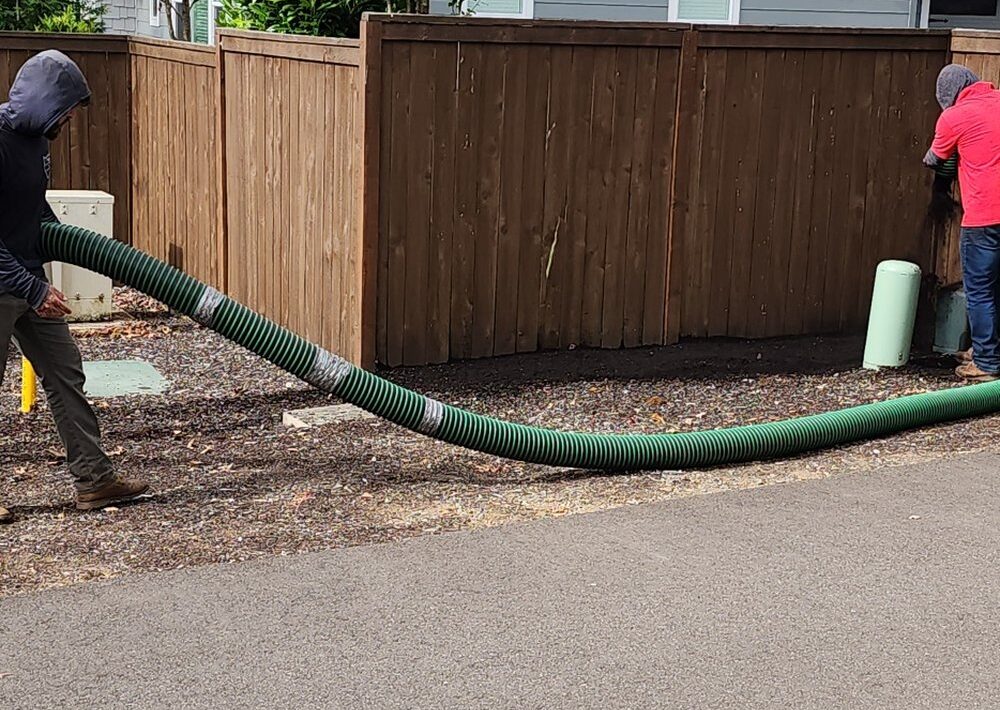
Healthy landscapes require consistent care during the twelve months of the year. Modern irrigation and planting techniques achieve better results when combined with advanced soil coverage methods. Utilizing a specialized pneumatic system for organic matter distribution ensures an even application across large areas. Implementing Alpine Bark Blowing establishes a protective layer that stabilizes ground conditions for vulnerable root systems. This precise delivery method places organic materials exactly where woody plants require thermal regulation. Fine particles fill small ground voids to prevent moisture loss from wind exposure.
Strategic Moisture Retention Methods
Pneumatic application ensures complete coverage around established root zones. The organic blanket slows down evaporation from the sun.
- Hand application creates uneven mounds that block water.
- Blowers distribute a uniform depth across the entire garden.
- Target thickness ranges between two and three inches.
- Steady moisture levels reduce the need for frequent watering.
- Wood fragments capture early morning dew from the dirt.
- Lower evaporation rates preserve deep water tables for roots.
- Consistent dampness encourages beneficial earthworm activity in soil.
- Steady hydration prevents bark cracking on young tree trunks.
Universal Application Advantages
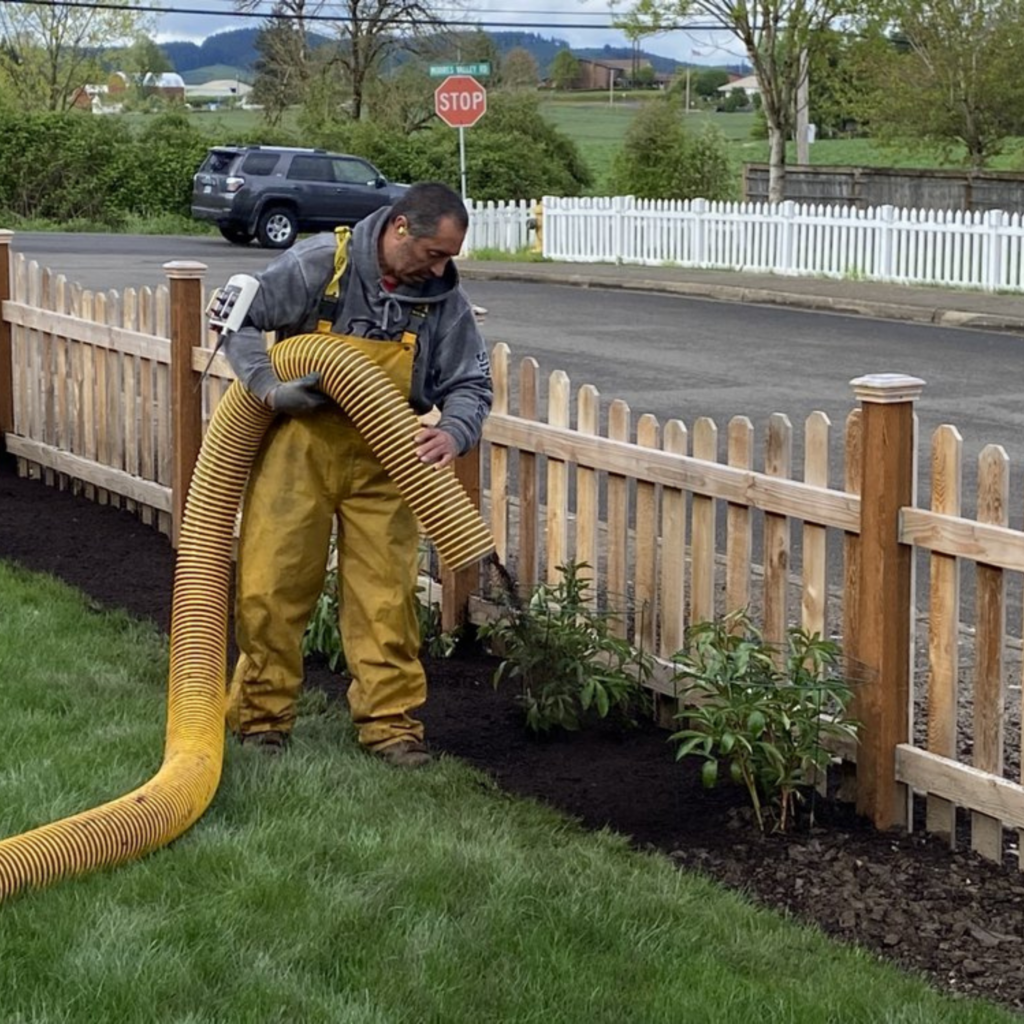
Automated delivery systems save significant labour hours compared to traditional wheelbarrow methods. The flexible hoses reach steep slopes without damaging existing turf sections. Using Alpine Bark Blowing allows operators to spread material over perimeter fences easily. Gentle application prevents the crushing of delicate seasonal flowers nearby.
What Seasonal Elements Disrupt Organic Ground Blankets?
Heavy rainstorms displace lightweight surface materials on steep hillsides. Strong winds scatter loose wood fibers if the layer lacks proper density.
Burrowing pests sometimes disturb the smooth surface while searching for food. Foot traffic creates thin spots that require periodic manual raking.
Maintaining Long Term Soil Health
Regular top dressing replaces decomposed matter to sustain steady plant development. Fungi break down the lower layer to create rich humus.
Common Inquiries Regarding Ground Coverage
- How often does the bark layer require complete replacement? Refreshing the top inch every twelve months maintains the appearance.
- Will blew materials away during heavy summer storms. The interlocking wood fibers resist movement on moderate slopes.
- Can fresh bark change the underlying soil acidity levels? Pine materials cause minimal pH shifts in typical garden dirt.
- How deep should the seasonal material layer be spread? Maintaining three inches provides ideal thermal insulation for roots.
- Does an automated application injure small nesting backyard animals? The low-pressure hose distribution avoids harming local wildlife.
- When is the ideal month to schedule the application? Early spring delivers the maximum benefit for annual growth.
Sustaining Woody Plant Development
Consistent ground management yields superior landscaping results over multiple fiscal years. Automated distribution methods lower seasonal maintenance costs while protecting delicate root systems efficiently. Realizing optimal plant health depends entirely on maintaining a stable soil environment. Continuous protection ensures long term survival for expensive specimen trees.