

Site Loader

Transform Supply Chains with International Shipping in Cambridge for Global Connectivity

Modern commerce relies heavily on efficient logistics to connect global markets seamlessly. Businesses require reliable movement of goods across borders to maintain steady production schedules. Utilizing international shipping in Cambridge helps enterprises expand their distribution networks efficiently. This strategic hub enhances corporate growth by streamlining long-distance trade operations. Efficient transport systems ensure that supply chains remain highly productive and dependable.

How Does Global Freight Improve Business Revenue

Reliable overseas transit allows local enterprises to reach foreign market sectors quickly. Expanding corporate distribution overseas creates stable financial income streams from new regions. Enhanced logistics networks minimize operational delays to protect overall profit margins.

Smart Routes Optimize System Delivery Times

Strategic corridor mapping reduces transit delays for critical commercial corporate cargo. Chosen paths optimize distribution schedules to ensure highly predictable delivery outcomes.

Secure Packaging Protects High-Value Corporate Cargo

Sturdy materials prevent physical damage to merchandise during long transit journeys. Proper sealing shields valuable commercial goods from unpredictable open-air weather conditions.

What Methods Improve Modern Bulk Distribution Safety

Innovative sorting mechanisms maximize cargo volume utilization inside large metal containers. Specialized monitoring devices track internal temperature levels for delicate commercial merchandise.

  • Advanced tracking systems offer real-time visibility for every shipment.
  • Trained logistics personnel handle heavy freight items with extreme precision.
  • Standardized safety checks eliminate preventable transit hazards before departure.

Enhancing Storage Node Efficiency

Optimized warehouse design accelerates the picking process for outbound international cargo. Modern inventory software monitors actual stock levels to prevent supply shortages.

  • Organized rack arrangements maximize available vertical warehouse storage capacity perfectly.
  • Automated scanning tools record item placement details within seconds.
  • Strategic location placement near major highways speeds up dispatch operations.

Strategic Coordination Maximizes Supply Chain Output

Integrating modern tracking tools gives businesses total control over distribution pipelines. Using international shipping in Cambridge connects localized manufacturing centers with distant global consumer bases. Specialized freight coordinators balance shipping schedules to maintain steady material inflows constantly. Collaborative logistics partnerships eliminate common bottlenecks that delay corporate supply networks. Distributed tracking reports allow managers to optimize every single transport route.

Common Queries Answered

  • What documents are necessary for overseas freight cargo?Commercial shipments require detailed invoices and precise packing lists for verification. Customs agencies demand accurate bills of lading before granting entry clearance. Missing paperwork creates long legal delays at international border inspection points.
  • How do tracking tools secure transit operations?Digital sensors transmit exact geographic coordinates to central logistics databases regularly. Managers monitor route progress to detect unexpected delays on scheduled paths. Consignees receive automated alerts when shipments reach specific transit milestones.

System Success Achieved

Consistent operational execution forms the true foundation of dependable global distribution networks. Businesses achieve long-term stability by focusing on steady structural improvements over time. Seamless connectivity requires careful planning and realistic goals for everyday transport management. Continuous monitoring ensures that supply networks adapt smoothly to changing market demands. Reliable execution guarantees corporate resilience in competitive global commercial environments.

How Orthodontic Appliances Influence Speech Development and Communication Skills

Understanding the Connection Between Orthodontics and Verbal Expression

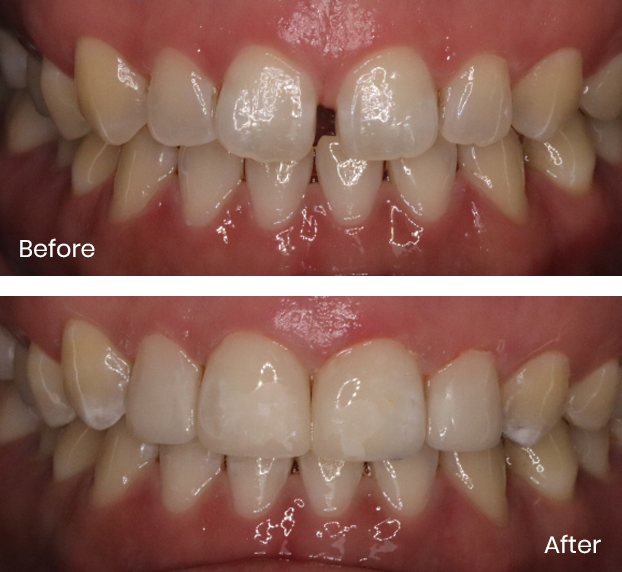
The relationship between orthodontic treatment provided by an orthodontist Navan and speech patterns represents a fascinating intersection of dental science and linguistic development. Whilst many individuals focus primarily on the aesthetic benefits of orthodontic appliances, the impact these devices have on communication abilities deserves equal attention. The mouth serves as a sophisticated instrument for producing speech, and any alterations to its structure—temporary or permanent—can influence how sounds are formed and articulated.

Orthodontic appliances work by gradually repositioning teeth and, in some cases, reshaping the jaw structure itself. During this transformative process, patients often experience a period of adjustment where their speech patterns may temporarily change. Understanding these effects helps both practitioners and patients navigate the treatment journey with realistic expectations and appropriate strategies for adaptation.

The Mechanics of Speech Production

Speech production relies on a complex interplay between the tongue, teeth, lips, and palate. When orthodontic devices are introduced into this delicate ecosystem, they inevitably alter the spatial relationships that the tongue has learned to navigate. The positioning of teeth plays a crucial role in forming consonants, particularly sounds such as ‘s’, ‘t’, ‘d’, and ‘th’. Research has shown that orthodontic interventions can temporarily affect speech clarity, though most patients adapt relatively quickly.

Fixed appliances such as braces create new surfaces against which the tongue must position itself during articulation. Removable devices like retainers or aligners present their own unique challenges, as they often cover portions of the palate or alter the interior landscape of the mouth. The thickness and placement of these appliances determine the extent to which they influence speech patterns during the adjustment period.

Initial Adaptation Challenges

Common Speech Difficulties

When patients first receive orthodontic appliances, several predictable speech challenges may emerge. These difficulties typically manifest as:

  • Lisping or difficulty with sibilant sounds
  • Altered pronunciation of dental consonants
  • Increased saliva production affecting speech fluency
  • Temporary changes in vocal resonance

Consulting with an experienced practitioners trust can provide valuable guidance on managing these transitional challenges. Professional orthodontists understand that speech concerns represent legitimate aspects of treatment and can offer tailored advice for accelerating the adaptation process.

The Timeline for Speech Normalisation

Most patients discover that speech difficulties associated with orthodontic appliances resolve within a remarkably short timeframe. The human brain possesses extraordinary neuroplasticity, allowing the motor patterns responsible for speech to adapt to new oral configurations. Typically, patients experience noticeable improvement within two to three weeks of receiving their appliances, with complete adaptation occurring within one to two months for the majority of individuals.

The speed of adaptation varies depending on several factors, including the type of appliance fitted, the patient’s age, and their motivation to practise speaking with the new devices. Younger patients often adapt more quickly than adults, though individuals of all ages eventually achieve normal speech patterns. Studies examining the relationship between orthodontic treatment and phonetic performance confirm that temporary speech alterations rarely persist beyond the initial adjustment period.

Long-Term Benefits for Communication

Whilst the immediate effects of orthodontic appliances may present temporary challenges, the long-term outcomes frequently enhance speech quality significantly. Severe malocclusions, overcrowding, and jaw misalignments can impair proper articulation, and correcting these issues often leads to clearer, more confident speech. Patients who previously struggled with certain sounds due to structural dental problems often find their articulation improves dramatically following treatment completion.

The psychological benefits of improved dental alignment also contribute to enhanced communication skills. Individuals who feel self-conscious about their teeth may speak less clearly or avoid certain social situations altogether. Following successful orthodontic treatment, many patients report increased confidence in public speaking and social interactions, demonstrating that orthodontic care influences communication beyond mere mechanics.

Strategies for Smooth Adaptation

Patients can employ several practical techniques to accelerate their adjustment to orthodontic appliances. Reading aloud for fifteen to twenty minutes daily helps retrain the tongue and facial muscles to accommodate the new oral environment. Practising challenging sounds in front of a mirror allows individuals to observe their articulation and make conscious adjustments. Staying well-hydrated reduces saliva-related speech difficulties, whilst patience and persistence remain the most valuable tools throughout the adaptation process.

Final Thoughts on Orthodontics and Speech

Orthodontic appliances undeniably influence speech patterns during the treatment period, yet these effects represent temporary adjustments rather than permanent impediments. The long-term benefits of properly aligned teeth and jaws far outweigh the brief adaptation period, ultimately supporting clearer articulation and enhanced communication confidence for years to come.