Site Loader

Why Invisalign Retention Protocols Are Critical for Maintaining Long-Term Alignment Results

Understanding the Science Behind Orthodontic Retention

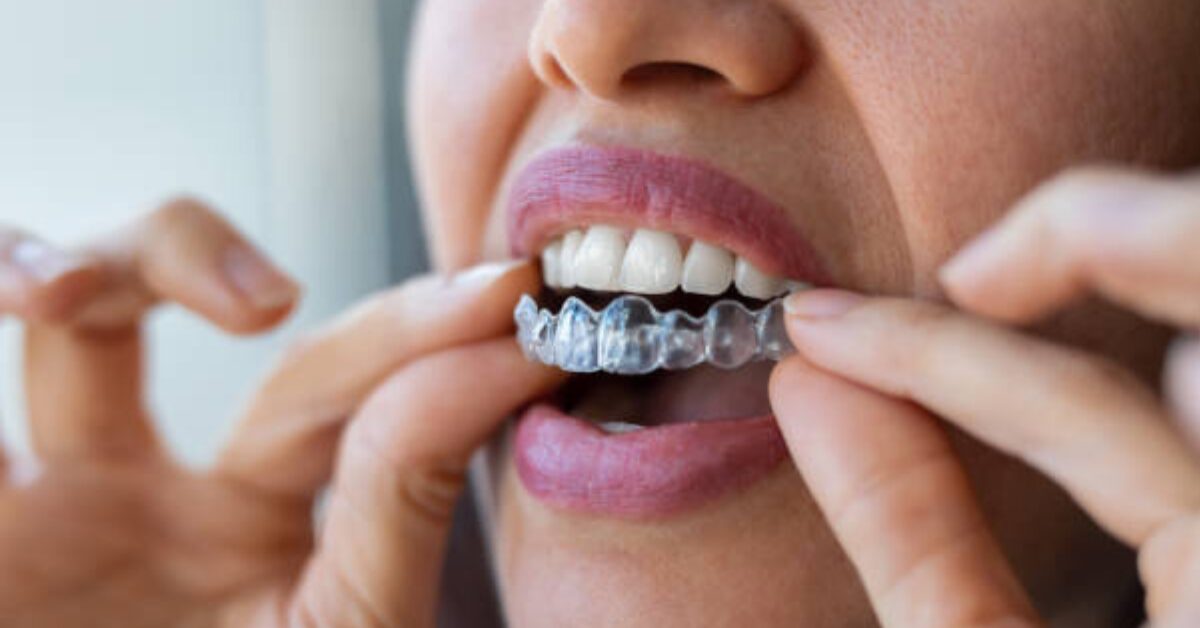
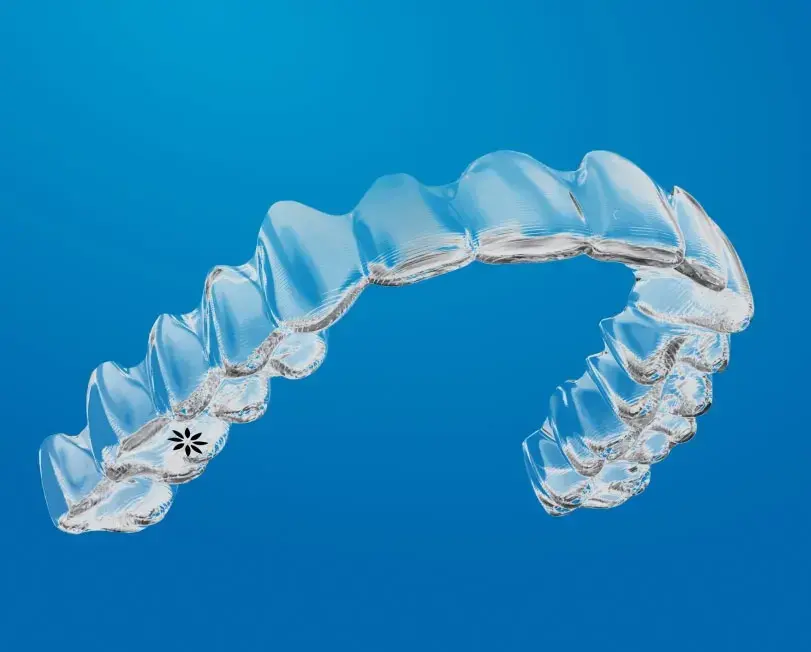
The journey towards a beautifully aligned smile doesn’t end when the final Invisalign Bournemouth aligner is removed. Whilst many patients celebrate the completion of their orthodontic treatment, the real challenge often lies in maintaining those hard-won results. Retention protocols represent the unsung heroes of orthodontic care, working tirelessly behind the scenes to ensure that teeth remain in their newly established positions for years to come.

Teeth possess a remarkable memory, constantly attempting to return to their original positions through a biological process known as relapse. This natural tendency stems from the elastic fibres in the periodontal ligament, which can take months or even years to fully adapt to new tooth positions. Without proper retention strategies, patients risk watching their investment in orthodontic treatment gradually diminish as teeth shift back towards their pre-treatment alignment.

The Role of Retention in Modern Orthodontic Practice

Contemporary orthodontic practice recognises retention as an integral component of comprehensive treatment planning rather than an afterthought. Patients who have completed treatment with Invisalign providers, for instance, will typically receive detailed retention instructions tailored to their specific clinical situation. These protocols are based on extensive research and clinical evidence that demonstrates the critical importance of long-term retention strategies.

The British Orthodontic Society’s clinical guidelines on retention emphasise that retention should be considered a lifelong commitment for optimal results. This guidance reflects the professional consensus that teeth can move at any age, making indefinite retention the gold standard for maintaining alignment outcomes.

Types of Retention Devices and Their Applications

Fixed Retainers

Fixed retainers consist of a thin wire bonded to the lingual surface of the anterior teeth, providing continuous retention without requiring patient compliance. These devices offer particular advantages for maintaining lower incisor alignment, where relapse tends to occur most frequently. The passive nature of fixed retainers means they work around the clock, preventing unwanted tooth movement whilst remaining virtually invisible to others.

Removable Retainers

Removable retainers, including vacuum-formed retainers and traditional Hawley appliances, offer flexibility and ease of maintenance. These devices allow patients to remove them for eating and cleaning, promoting better oral hygiene compared to fixed alternatives. However, their effectiveness depends entirely upon patient compliance with wearing schedules, making patient education essential for successful outcomes.

Factors Influencing Retention Success

The effectiveness of retention protocols depends upon numerous variables that extend beyond simply wearing a retainer. Age at treatment completion plays a significant role, with younger patients often requiring more vigilant retention due to ongoing growth and development. Additionally, the severity of the original malocclusion influences retention needs, as more complex cases typically demand more rigorous long-term management strategies.

Biological factors such as periodontal health, bone density, and individual healing responses all contribute to retention outcomes. Patients with a history of significant crowding or rotations face higher relapse risks, necessitating particularly conscientious adherence to retention protocols. Understanding these individual risk factors enables clinicians to develop personalised retention plans that address specific patient needs and circumstances.

Patient Compliance and Education

Research published in dental research journals examining retention outcomes consistently identifies patient compliance as the single most significant predictor of long-term success. Educating patients about the biological basis for retention requirements helps foster understanding and commitment to wearing schedules. When patients comprehend why retention matters, they become active participants in preserving their treatment results rather than passive recipients of instructions.

Effective communication between dental professionals and patients establishes realistic expectations from the outset. Clear explanations about wearing schedules, maintenance procedures, and the potential consequences of non-compliance empower patients to make informed decisions about their oral health. Regular follow-up appointments provide opportunities to monitor retention device condition, assess tooth stability, and reinforce the importance of continued compliance.

Protecting Your Investment in Orthodontic Treatment

Orthodontic treatment represents a significant investment of time, effort, and financial resources. Retention protocols serve as the insurance policy that protects this investment, ensuring that the beautiful smile achieved through months of treatment remains stable for decades to come. Professional guidance on orthodontic retention strategies for general dental practitioners underscores the collaborative approach needed between specialists and general dentists to maintain long-term results.

Patients considering Invisalign treatment or any orthodontic intervention should recognise that retention constitutes an essential phase of their journey towards optimal dental alignment. By embracing retention protocols with the same dedication applied during active treatment, patients can enjoy the lasting benefits of their transformed smiles well into the future, making the entire orthodontic experience truly worthwhile.
How Orthodontic Appliances Influence Speech Development and Communication Skills

Understanding the Connection Between Orthodontics and Verbal Expression

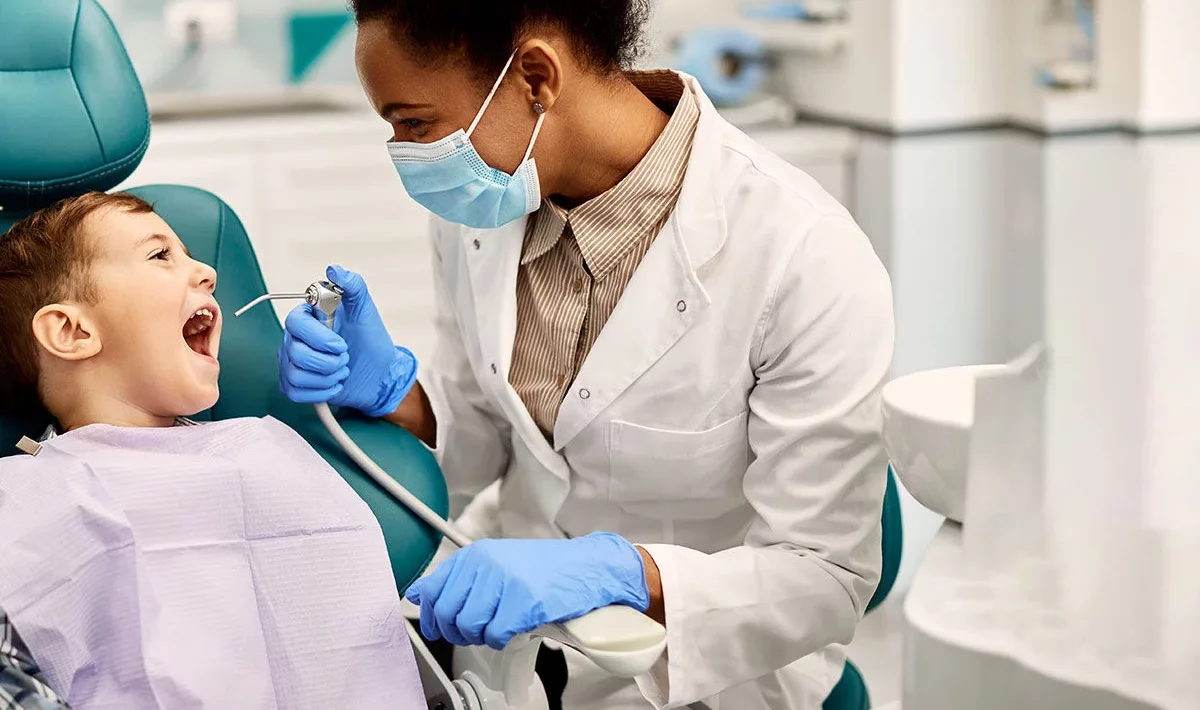
The relationship between orthodontic treatment provided by an orthodontist Navan and speech patterns represents a fascinating intersection of dental science and linguistic development. Whilst many individuals focus primarily on the aesthetic benefits of orthodontic appliances, the impact these devices have on communication abilities deserves equal attention. The mouth serves as a sophisticated instrument for producing speech, and any alterations to its structure—temporary or permanent—can influence how sounds are formed and articulated.

Orthodontic appliances work by gradually repositioning teeth and, in some cases, reshaping the jaw structure itself. During this transformative process, patients often experience a period of adjustment where their speech patterns may temporarily change. Understanding these effects helps both practitioners and patients navigate the treatment journey with realistic expectations and appropriate strategies for adaptation.

The Mechanics of Speech Production

Speech production relies on a complex interplay between the tongue, teeth, lips, and palate. When orthodontic devices are introduced into this delicate ecosystem, they inevitably alter the spatial relationships that the tongue has learned to navigate. The positioning of teeth plays a crucial role in forming consonants, particularly sounds such as ‘s’, ‘t’, ‘d’, and ‘th’. Research has shown that orthodontic interventions can temporarily affect speech clarity, though most patients adapt relatively quickly.

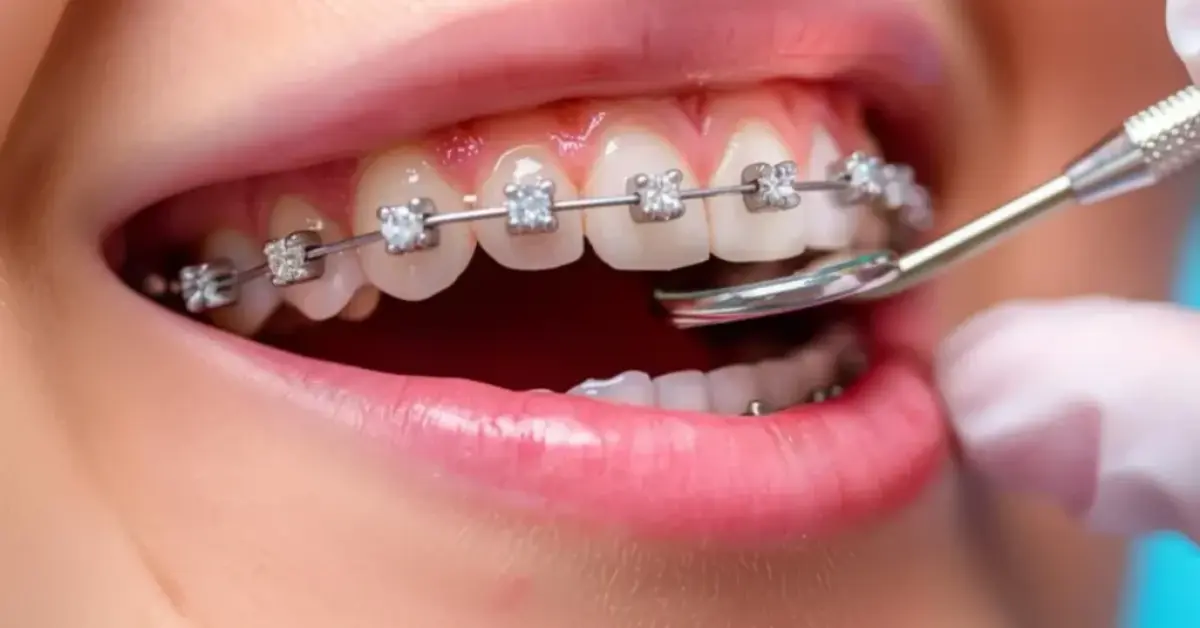
Fixed appliances such as braces create new surfaces against which the tongue must position itself during articulation. Removable devices like retainers or aligners present their own unique challenges, as they often cover portions of the palate or alter the interior landscape of the mouth. The thickness and placement of these appliances determine the extent to which they influence speech patterns during the adjustment period.

Initial Adaptation Challenges

Common Speech Difficulties

When patients first receive orthodontic appliances, several predictable speech challenges may emerge. These difficulties typically manifest as:

  • Lisping or difficulty with sibilant sounds
  • Altered pronunciation of dental consonants
  • Increased saliva production affecting speech fluency
  • Temporary changes in vocal resonance

Consulting with an experienced practitioners trust can provide valuable guidance on managing these transitional challenges. Professional orthodontists understand that speech concerns represent legitimate aspects of treatment and can offer tailored advice for accelerating the adaptation process.

The Timeline for Speech Normalisation

Most patients discover that speech difficulties associated with orthodontic appliances resolve within a remarkably short timeframe. The human brain possesses extraordinary neuroplasticity, allowing the motor patterns responsible for speech to adapt to new oral configurations. Typically, patients experience noticeable improvement within two to three weeks of receiving their appliances, with complete adaptation occurring within one to two months for the majority of individuals.

The speed of adaptation varies depending on several factors, including the type of appliance fitted, the patient’s age, and their motivation to practise speaking with the new devices. Younger patients often adapt more quickly than adults, though individuals of all ages eventually achieve normal speech patterns. Studies examining the relationship between orthodontic treatment and phonetic performance confirm that temporary speech alterations rarely persist beyond the initial adjustment period.

Long-Term Benefits for Communication

Whilst the immediate effects of orthodontic appliances may present temporary challenges, the long-term outcomes frequently enhance speech quality significantly. Severe malocclusions, overcrowding, and jaw misalignments can impair proper articulation, and correcting these issues often leads to clearer, more confident speech. Patients who previously struggled with certain sounds due to structural dental problems often find their articulation improves dramatically following treatment completion.

The psychological benefits of improved dental alignment also contribute to enhanced communication skills. Individuals who feel self-conscious about their teeth may speak less clearly or avoid certain social situations altogether. Following successful orthodontic treatment, many patients report increased confidence in public speaking and social interactions, demonstrating that orthodontic care influences communication beyond mere mechanics.

Strategies for Smooth Adaptation

Patients can employ several practical techniques to accelerate their adjustment to orthodontic appliances. Reading aloud for fifteen to twenty minutes daily helps retrain the tongue and facial muscles to accommodate the new oral environment. Practising challenging sounds in front of a mirror allows individuals to observe their articulation and make conscious adjustments. Staying well-hydrated reduces saliva-related speech difficulties, whilst patience and persistence remain the most valuable tools throughout the adaptation process.

Final Thoughts on Orthodontics and Speech

Orthodontic appliances undeniably influence speech patterns during the treatment period, yet these effects represent temporary adjustments rather than permanent impediments. The long-term benefits of properly aligned teeth and jaws far outweigh the brief adaptation period, ultimately supporting clearer articulation and enhanced communication confidence for years to come.

How Emergency Dentists Preserve Teeth That Seem Beyond Saving

When Dental Disasters Strike: The Art of Tooth Preservation

The moment a tooth sustains serious trauma, many people assume the worst. Whether it’s a sporting accident, an unexpected fall, or biting down on something unexpectedly hard, the immediate thought is often that the tooth is lost forever. However, same-day dentistry has evolved into a sophisticated field where practitioners routinely save teeth that patients believe are beyond redemption. The techniques and technologies available to an emergency dentist Wakefield and similar professionals across the country have transformed what was once considered hopeless into highly treatable situations.

Emergency dental care operates on principles that differ significantly from routine dentistry. Time becomes the most critical factor, with every minute potentially affecting the long-term prognosis of an injured tooth. The golden hour following dental trauma can mean the difference between successful preservation and permanent loss. Understanding these time-sensitive procedures reveals just how remarkable emergency dental interventions have become, and why seeking immediate professional help should never be delayed when dental emergencies occur.

Advanced Techniques for Severe Tooth Trauma

Reimplantation of Avulsed Teeth

When a tooth is completely knocked out of its socket, the situation appears catastrophic to most patients. Yet this represents one of the most successfully treatable dental emergencies when handled correctly. The periodontal ligament cells that attach the tooth to the jawbone can remain viable for a limited period, and emergency dentists have refined reimplantation techniques to remarkable levels of success. The procedure involves carefully cleaning the tooth and socket, repositioning the tooth with precision, and securing it with splinting materials that allow the supporting structures to heal whilst keeping the tooth stable.

The success rates for tooth reimplantation procedures have improved dramatically over recent decades, thanks to better understanding of biological processes and improved materials. Emergency dentists assess the condition of both the tooth and the surrounding tissues, determining the optimal approach for each unique case.

Root Canal Therapy in Emergency Settings

Severely fractured teeth that expose the pulp chamber often require immediate root canal treatment to prevent infection and preserve the tooth structure. Emergency dentists can perform these procedures under urgent conditions, removing damaged pulp tissue and sealing the canal system to prevent bacterial invasion. This intervention, when combined with appropriate restoration techniques, allows teeth with extensive damage to remain functional for many years.

Splinting and Stabilisation Methods

Loose or displaced teeth benefit enormously from modern splinting techniques that emergency dentists employ. These procedures involve bonding the injured tooth to adjacent stable teeth using flexible materials that permit natural movement whilst providing essential support. The splint remains in place for several weeks, allowing the periodontal ligament and surrounding bone to heal properly. This approach has saved countless teeth that would have been extracted in previous decades, demonstrating how conservative treatment philosophies now dominate emergency dental care.

Critical First Steps Before Reaching the Dentist

The actions taken immediately following dental trauma significantly influence treatment outcomes. Keeping an avulsed tooth moist is paramount, and proper storage methods for knocked-out teeth can preserve the delicate cells necessary for successful reimplantation. Milk serves as an excellent storage medium, whilst saliva also provides a suitable environment. Patients should avoid touching the root surface and resist the temptation to scrub or sterilise the tooth, as these well-intentioned actions can destroy the vital periodontal ligament cells.

Understanding immediate response protocols for dental emergencies empowers individuals to take appropriate action during those crucial first moments. Controlling bleeding with clean gauze, applying cold compresses to reduce swelling, and seeking professional care without delay all contribute to improved outcomes.

The Future of Tooth Preservation

Emergency dentistry continues to advance with innovations in regenerative medicine and biomaterials. Techniques that seemed experimental just years ago now form part of standard emergency protocols. The integration of digital imaging, biocompatible materials, and refined surgical techniques means that teeth facing seemingly insurmountable damage now have genuine prospects for long-term survival. The commitment of emergency dental professionals to preserving natural dentition, combined with patient cooperation during critical moments, creates opportunities for successful outcomes that would have been impossible in earlier generations of dental practice. This progress underscores the importance of never assuming a damaged tooth is beyond help, and always seeking expert evaluation from qualified professionals who possess both the skills and technology to attempt preservation.

Crafting Your Desired Smile with Invisalign: A Personal Journey in Modern Dentistry

The Evolution of Smile Transformation

The landscape of orthodontic treatment has undergone a remarkable transformation over the past two decades, with clear aligner therapy such as Invisalign Limerick emerging as a revolutionary approach to achieving straighter teeth. Gone are the days when metal brackets and wires were the only pathway to an even smile. Today’s patients can embark on their orthodontic journey with virtually invisible aligners that seamlessly integrate into their daily lives, allowing them to maintain confidence throughout their treatment.

Modern dentistry has embraced this innovative technology with enthusiasm, recognising that patients increasingly seek discreet solutions that don’t compromise their professional or social interactions. The clear aligner system represents a sophisticated blend of digital planning, precise manufacturing, and gradual tooth movement that appeals to adults and teenagers alike who desire effective results without the aesthetic concerns associated with traditional braces.

Understanding the Clear Aligner Advantage

The appeal of clear aligners extends far beyond their transparent appearance, though this remains a significant factor for many patients. The removable nature of these custom-made trays offers unprecedented flexibility in maintaining oral hygiene routines, as patients can brush and floss their teeth normally without navigating around fixed appliances. This accessibility contributes to better overall dental health throughout the treatment period.

Patients often discover that clear aligners offer numerous lifestyle benefits that extend into their professional and personal lives. The ability to remove aligners for important meetings, special occasions, or favourite meals provides a level of control that traditional orthodontics simply cannot match. This flexibility has made clear aligner therapy particularly popular amongst professionals who require confidence in their appearance for client-facing roles.

The Digital Revolution in Orthodontic Planning

Contemporary orthodontic treatment begins with sophisticated digital scanning technology that captures precise measurements of a patient’s teeth and bite. This three-dimensional mapping allows dental professionals to create detailed treatment plans that visualise the entire transformation journey from initial consultation to final results. Patients can see their projected outcome before treatment even begins, providing reassurance and motivation throughout the process.

The precision of digital planning enables orthodontists to address complex cases that might have previously required more invasive interventions. Each aligner in the series is manufactured to exert specific forces on particular teeth, creating controlled movement that gradually guides teeth into their optimal positions. This methodical approach ensures predictable results whilst minimising discomfort for the patient.

Patient Experience and Treatment Journey

The treatment experience with clear aligners typically begins with a comprehensive consultation where dental professionals assess the patient’s specific needs and discuss realistic expectations. Many individuals find that working with an experienced practitioner ensures they receive personalised care tailored to their unique circumstances. The initial appointment involves detailed examination, digital impressions, and discussion of treatment timelines.

Throughout the active treatment phase, patients typically wear each set of aligners for approximately two weeks before progressing to the next stage. Regular check-ups allow dental professionals to monitor progress and make any necessary adjustments to ensure optimal results. Most patients adapt quickly to wearing their aligners for the recommended 20-22 hours daily, finding that the clear plastic becomes virtually unnoticeable after the initial adjustment period.

Managing Daily Life During Treatment

Successful clear aligner therapy requires commitment and consistency from patients, though most find the routine manageable within their existing lifestyle. The removable nature of the appliances means that social dining experiences remain enjoyable, whilst the smooth plastic construction eliminates the mouth irritation often associated with traditional orthodontic hardware. Patients frequently report that colleagues and friends remain unaware of their ongoing treatment.

Understanding the effectiveness and considerations of clear aligners helps patients make informed decisions about their orthodontic care. The treatment duration varies depending on individual cases, with some patients achieving their desired results in as little as six months, whilst more complex cases may require eighteen months or longer.

Achieving Long-term Success

The completion of active clear aligner treatment marks the beginning of the retention phase, which proves crucial for maintaining newly achieved tooth positions. Patients typically receive custom retainers to wear during sleep, ensuring their investment in orthodontic treatment provides lasting results. The comprehensive approach to smile transformation extends beyond mere tooth straightening to encompass improved oral health and enhanced self-confidence.

Modern clear aligner therapy represents a remarkable achievement in orthodontic innovation, offering patients an effective pathway to their ideal smile without compromising their lifestyle during treatment. The combination of advanced technology, personalised care, and patient convenience has established clear aligners as a preferred choice for individuals seeking discreet orthodontic solutions in contemporary dental practice.

Orthodontics and the Subtle Influence on Creative Expression

The Hidden Connection Between Dental Alignment and Artistic Freedom

The relationship between orthodontics and creative expression represents one of the most fascinating intersections between medical science and artistic endeavour. Whilst many perceive dental treatment as purely functional, the profound psychological and physiological effects of orthodontic intervention extend far beyond mere tooth alignment. Creative professionals, from musicians to actors, often discover that their artistic capabilities undergo subtle yet significant transformations following orthodontic treatment.

The mechanics of creative expression rely heavily upon confidence, comfort, and physical ease. When individuals struggle with dental misalignment or bite irregularities, these concerns can create unconscious barriers to full artistic expression. The constant awareness of dental imperfections may lead to restricted facial movements, altered speech patterns, or hesitancy in performance situations. Consequently, addressing these concerns through the intervention of an orthodontist London can unlock previously constrained creative potential.

The Physical Foundation of Artistic Performance

Professional performers understand that their bodies serve as instruments of expression. Orthodontic treatment influences several key aspects of physical performance that directly impact creative output. Proper dental alignment affects jaw positioning, which in turn influences facial symmetry and muscle tension patterns throughout the head and neck region. These seemingly minor adjustments can dramatically alter an individual’s comfort level during extended periods of creative work.

For musicians, particularly those who play wind instruments or are vocalists, dental alignment plays a crucial role in technique and sound production. The positioning of teeth affects tongue placement, airflow, and embouchure formation. Many professional musicians seek consultation with a recommended orthodontist specifically to optimise their instrumental technique and vocal capabilities. The precision required in orthodontic treatment mirrors the attention to detail necessary for musical excellence.

Psychological Transformation Through Orthodontic Treatment

Building Confidence in Creative Spaces

The psychological impact of orthodontic treatment extends well beyond the physical improvements. Creative expression requires vulnerability and openness, qualities that flourish when individuals feel confident about their appearance and physical capabilities. Orthodontic intervention often serves as a catalyst for increased self-assurance, enabling artists to engage more fully with their creative pursuits without the distraction of dental concerns.

The Neurological Aspects of Comfort and Creativity

Recent research suggests that physical discomfort, including dental pain or jaw tension, can significantly impact cognitive function and creative thinking. When the nervous system remains in a state of chronic low-level stress due to orthodontic issues, the brain’s capacity for innovative thought and artistic expression becomes compromised. Orthodontic treatment addresses these underlying tensions, potentially freeing mental resources for enhanced creative output.

The relationship between orthodontics as both art and science becomes particularly relevant when considering its impact on creativity. Practitioners must balance technical precision with aesthetic sensibilities, much like artists combining skill with vision. This dual nature of orthodontic practice creates treatment outcomes that support both functional improvement and enhanced self-expression.

Industry Perspectives on Orthodontics and Performance

Entertainment industry professionals increasingly recognise the connection between dental health and performance quality. Theatre directors, casting agents, and performance coaches often recommend orthodontic consultation as part of comprehensive artist development. The balance between artistic vision and scientific methodology in orthodontic treatment aligns perfectly with the demands of creative professions that require both technical skill and aesthetic appeal.

Voice coaches particularly emphasise the importance of proper dental alignment for optimal vocal production. The positioning of teeth affects resonance chambers within the mouth and influences the clarity of consonant formation. Many professional speakers and singers report improved vocal range and reduced fatigue following orthodontic treatment, demonstrating the tangible benefits for creative professionals.

Long-term Benefits for Creative Professionals

The investment in orthodontic treatment yields dividends that extend throughout an individual’s creative career. Beyond immediate improvements in comfort and confidence, proper dental alignment contributes to long-term oral health, reducing the likelihood of future complications that might interrupt creative pursuits. The artistic elements inherent in orthodontic practice ensure that treatment outcomes support rather than hinder creative expression.

Many creative professionals report that orthodontic treatment marked a turning point in their artistic development, enabling them to pursue opportunities previously avoided due to self-consciousness or physical limitations. This transformation demonstrates the profound interconnection between physical well-being and creative potential.

The Lasting Impact on Artistic Development

The relationship between orthodontics and creative expression illustrates the holistic nature of human performance and artistic capability. By addressing dental concerns through professional orthodontic care, creative individuals often discover enhanced confidence, improved physical comfort, and expanded artistic possibilities. This investment in oral health represents an investment in creative potential, supporting artists in achieving their fullest expression whilst maintaining the physical foundation necessary for sustained artistic excellence.

Harnessing the Power of Minimalist Dentistry Techniques

The Evolution of Modern Dental Care

The dental profession has undergone a remarkable transformation in recent decades, shifting from aggressive interventions to sophisticated, patient-centred approaches that prioritise preservation over replacement. This evolution has given rise to minimalist dentistry, a philosophy that embraces the principle of “less is more” whilst delivering exceptional clinical outcomes. A modern dentist Welling is discovering that subtle, conservative techniques often yield superior long-term results compared to traditional extensive procedures.

Minimalist dentistry represents a fundamental shift in thinking, where dental professionals focus on maintaining the natural tooth structure wherever possible. This approach recognises that the human body’s original architecture is remarkably resilient and that interventions should complement rather than compromise these natural systems. The movement towards minimally invasive dental care approaches has revolutionised how practitioners view treatment planning and patient care.

Core Principles of Conservative Dental Practice

Prevention as the Foundation

The cornerstone of minimalist dentistry lies in prevention, where early intervention and patient education take precedence over reactive treatments. Practitioners employing these techniques focus on identifying risk factors before they manifest as clinical problems, allowing for gentle corrections that preserve natural tooth structure. This proactive approach often involves advanced diagnostic tools and regular monitoring to catch potential issues in their earliest stages.

Modern dental practices are implementing comprehensive prevention programmes that extend far beyond traditional cleaning appointments. These programmes incorporate lifestyle counselling, nutritional guidance, and personalised oral hygiene protocols that address each patient’s unique circumstances and risk profile.

Biomimetic Restoration Techniques

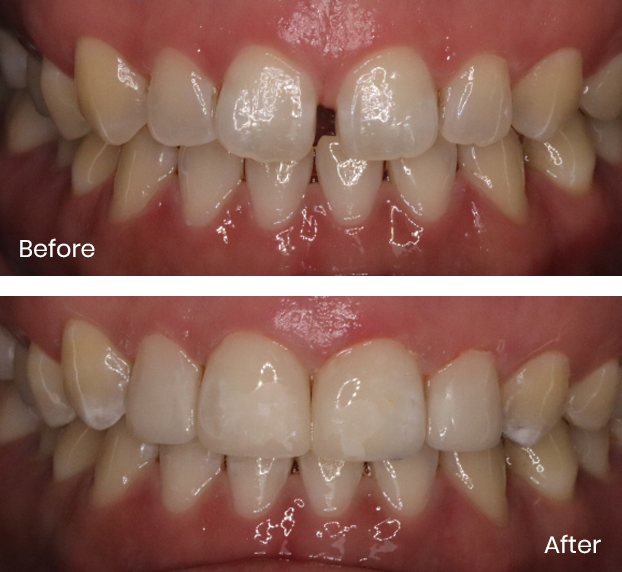
When intervention becomes necessary, minimalist dentistry employs biomimetic principles that mirror natural tooth behaviour and appearance. These sophisticated techniques utilise advanced materials and precise application methods to restore function whilst maintaining the tooth’s original biomechanical properties. The focus remains on preserving as much healthy tooth structure as possible, often requiring only minimal preparation compared to conventional approaches.

Contemporary restoration methods emphasise the importance of maintaining the natural flex and resilience of teeth, recognising that overly rigid restorations can create stress concentrations that lead to future complications. This understanding has led to the development of layered restoration techniques that replicate the complex optical and mechanical properties of natural enamel and dentine.

Advanced Technologies Supporting Minimalist Approaches

Digital Precision and Planning

The integration of digital technologies has revolutionised the precision with which minimalist techniques can be applied. Advanced imaging systems allow practitioners to visualise tooth structure in unprecedented detail, enabling them to plan conservative interventions with millimetre accuracy. This technological advancement ensures that only the absolute minimum amount of healthy tissue is removed during procedures, maximising preservation whilst achieving optimal clinical outcomes.

Computer-aided design and manufacturing systems have transformed the creation of restorations, allowing for perfectly fitted prosthetics that require minimal tooth preparation. These systems work in harmony with the future-focused principles of minimal invasive dentistry, creating restorations that integrate seamlessly with existing tooth structure and support long-term oral health.

Laser Technology and Micro-Interventions

Laser-assisted procedures represent another significant advancement in minimalist dentistry, offering practitioners the ability to perform precise interventions with minimal tissue disruption. These technologies enable targeted treatment of specific areas whilst leaving surrounding healthy tissue completely undisturbed, resulting in faster healing times and improved patient comfort throughout the treatment process.

The precision afforded by modern laser systems allows for conservative cavity preparation, gentle soft tissue management, and even non-invasive diagnostic procedures that help identify problems before they require more extensive intervention. This technological sophistication supports the core philosophy of preservation that defines contemporary minimalist practice.

Benefits and Long-Term Outcomes

Patients who receive minimalist dental care often experience enhanced comfort, reduced treatment time, and improved long-term oral health outcomes. The conservative approach typically results in stronger, more resilient teeth that maintain their natural function and appearance for extended periods. Additionally, the art of subtlety in minimalist dental approaches often produces aesthetically superior results that blend seamlessly with natural tooth structure.

The economic benefits of minimalist dentistry extend beyond immediate cost savings, as preserved natural tooth structure typically requires less maintenance and replacement over time. This approach aligns perfectly with modern healthcare philosophies that emphasise prevention, patient comfort, and sustainable long-term outcomes.

The Future of Conservative Dental Care

Minimalist dentistry represents more than a trend; it embodies a fundamental shift towards patient-centred care that respects the body’s natural architecture whilst delivering exceptional clinical results. As technology continues to advance and techniques become increasingly refined, this approach promises to become the standard of care for discerning practitioners and patients alike.

Crafting Smiles: The Role of Braces in Building Confidence and Comfort

Understanding the Impact of Orthodontic Treatment

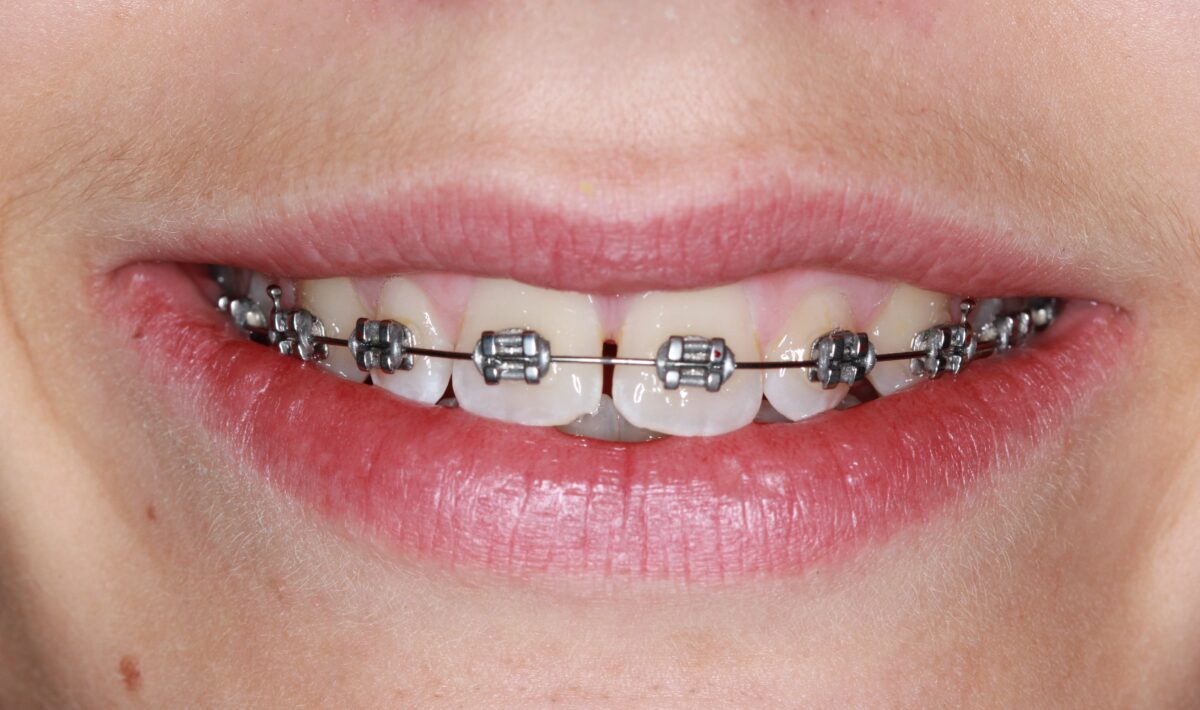
The journey towards a beautiful smile begins with understanding how orthodontic treatment can transform both appearance and self-assurance. For many individuals seeking braces Stoke-on-Trent and beyond, the decision to pursue orthodontic treatment represents a significant step towards enhanced confidence and oral health.

The Psychological Benefits of Orthodontic Care

Research has consistently shown that orthodontic treatment can significantly boost self-esteem, particularly during crucial developmental years. When individuals feel confident about their smile, they’re more likely to engage socially and professionally with greater assurance.

Building Self-Assurance Through Treatment

The transformation process through orthodontic treatment extends far beyond mere aesthetic improvements. Patients receiving braces often report enhanced social interactions and improved professional opportunities as their treatment progresses. This positive change stems from both the physical improvements and the psychological boost that comes with addressing dental concerns.

Modern Orthodontic Solutions

Today’s orthodontic treatments offer a range of options to suit various lifestyle needs and preferences. These include:

  • Traditional metal braces
  • Ceramic braces
  • Clear aligners
  • Lingual braces

Comfort and Adaptability

Modern orthodontic technology has revolutionised the way patients experience braces. Advanced materials and techniques have made orthodontic treatment more comfortable and efficient than ever before, allowing patients to maintain their daily routines with minimal disruption. The initial adjustment period typically involves:

  1. Becoming accustomed to speaking with braces
  2. Learning proper cleaning techniques
  3. Adapting to dietary modifications
  4. Understanding maintenance requirements

The Social Impact of Orthodontic Treatment

The social benefits of orthodontic treatment extend well beyond adolescence. Many adults find that investing in braces provides them with renewed confidence in both personal and professional settings. This enhanced self-assurance often leads to improved social interactions and better opportunities in various aspects of life.

Long-Term Benefits of Orthodontic Treatment

The advantages of orthodontic treatment extend far beyond the initial transformation period. Properly aligned teeth contribute to better oral hygiene, reduced risk of dental problems, and improved overall dental health. These physical benefits work in tandem with the psychological advantages to create lasting positive impacts on patients’ lives.

Maintaining Results and Confidence

Once orthodontic treatment is complete, patients must understand the importance of maintaining their results. This includes:

  • Regular use of retainers as prescribed
  • Consistent dental hygiene practices
  • Scheduled follow-up appointments
  • Preventive dental care

Professional and Personal Growth

Studies demonstrate that individuals with improved smiles often experience enhanced career prospects and personal relationships. This boost in confidence frequently translates into:

  • More assertive communication
  • Increased willingness to smile in photographs
  • Greater participation in social activities
  • Enhanced leadership qualities

The Role of Support Systems

Throughout the orthodontic journey, having a strong support system proves invaluable. Family members, friends, and orthodontic professionals all play crucial roles in ensuring successful treatment outcomes. Regular encouragement and understanding help patients maintain their motivation and positive outlook during the adjustment period.

Embracing a Brighter Future

The decision to pursue orthodontic treatment represents more than just a commitment to straight teeth; it’s an investment in one’s future well-being and self-confidence. As techniques continue to advance and treatment options expand, more individuals are discovering the transformative power of orthodontic care. The journey towards an enhanced smile through orthodontic treatment creates lasting impacts that extend well beyond aesthetic improvements. With proper care, maintenance, and ongoing support, patients can enjoy the benefits of their transformed smiles for years to come, contributing to their overall quality of life and personal satisfaction.

Through embracing the opportunities that orthodontic treatment provides, individuals can look forward to more confidence, improved oral health, and the ability to share their smiles proudly with the world. This investment in dental health and personal well-being continues to prove its value through improved self-esteem and social interactions throughout life.

The Subtle Science of Building Trust in Private Dentistry

Introduction

In the realm of healthcare, few relationships require as much trust as that between a patient and their dentist. The intimate nature of dental care, combined with common anxieties about dental procedures, makes trust-building a crucial element of successful private dental practice. For those seeking a private dentist Manchester residents trust, understanding this delicate balance is essential.

The Foundation of Patient Trust

Understanding Patient Psychology

According to recent research on patient-dentist relationships, trust develops through a complex interplay of factors, including communication, competence, and empathy. Private dental practices must navigate these elements carefully to create an environment where patients feel secure and valued.

Key Elements of Trust-Building

The foundation of trust in private dentistry rests upon several crucial pillars:

  • Clear and transparent communication
  • Consistent professional conduct
  • Evidence-based treatment approaches
  • Empathetic patient care
  • Maintaining pristine clinical environments

Modern Approaches to Patient Engagement

Digital Communication and Trust

Studies on digital communication in dental practices demonstrate that modern technology plays a vital role in building and maintaining patient trust. When seeking a private dentist, practitioners who embrace digital tools whilst maintaining personal connections often see higher levels of patient satisfaction and trust.

The Consultation Process

The initial consultation serves as a critical moment in establishing trust. During this time, dental professionals must:

  1. Listen actively to patient concerns
  2. Provide clear explanations of treatment options
  3. Demonstrate technical expertise
  4. Show genuine interest in patient well-being

These early interactions set the tone for the entire professional relationship. Private dental practices that excel in these areas typically develop strong, long-lasting patient relationships built on mutual respect and understanding.

Clinical Excellence and Professional Development

Maintaining High Standards

Professional excellence remains a cornerstone of trust-building in private dentistry. Recent developments in dental care standards highlight the importance of continuous professional development and staying current with the latest techniques and technologies. This commitment to excellence helps ensure that patients receive the highest quality care while building confidence in their dental provider.

The Role of the Dental Team

Trust-building extends beyond the dentist to encompass the entire dental team. From reception staff to dental nurses, each team member plays a vital role in creating a trustworthy environment. This collaborative approach ensures that patients experience consistent, high-quality care throughout their journey.

Creating a Patient-Centred Environment

Physical Space and Atmosphere

The physical environment of a dental practice significantly influences patient trust. Modern private practices invest considerable resources in creating welcoming, comfortable spaces that help alleviate anxiety and promote relaxation. This attention to detail demonstrates a commitment to patient comfort and well-being.

Personalised Care Approaches

Understanding that each patient has unique needs and concerns, successful private dental practices develop personalised approaches to care. This individualised attention helps build stronger relationships and increases patient confidence in their treatment plans.

Conclusion

The science of building trust in private dentistry involves a careful balance of professional expertise, effective communication, and genuine patient care. For those seeking quality dental care, finding a private dentist involves looking for these key trust indicators. Success in private dentistry ultimately depends on creating and maintaining trust through consistent, high-quality care delivery and genuine patient engagement.

As the field of dentistry continues to evolve, maintaining trust remains fundamental to successful practice. Dental professionals who master this subtle science create lasting relationships with their patients, leading to better outcomes and more satisfying experiences for all involved.

Driving Patient Loyalty with Interactive Dental Website Features

Introduction to Interactive Dental Websites

In the digital age, the cornerstone of successful dental practices lies in their ability to engage patients through dynamic and interactive websites. Dental websites have evolved beyond static pages, transforming into vital tools that foster patient loyalty. These platforms not only provide essential information but also create a welcoming digital environment. This article explores how interactive features on dental websites can cultivate patient trust and retention.

The Importance of Interactive Features

Interactive features on dental websites enhance user experience, making navigation intuitive and engaging. These features can include appointment scheduling, virtual consultations, and live chat support. By incorporating these elements, dental practices can offer patients immediate access to services, which is crucial in today’s fast-paced world.

Appointment Scheduling

Online appointment scheduling is a vital component of any modern dental website. It allows patients to book consultations at their convenience, reducing the need for phone calls or office visits. This feature not only improves patient satisfaction but also streamlines the administrative workflow for dental staff.

Virtual Consultations

Virtual consultations provide patients with the opportunity to discuss their dental concerns from the comfort of their homes. This interactive feature is particularly beneficial for patients with mobility issues or those residing in remote areas. The ability to connect with a dentist virtually can significantly enhance patient engagement and loyalty.

Live Chat Support

Implementing live chat support on dental websites ensures that patients receive instant answers to their queries. Whether it’s about treatment options or insurance queries, real-time communication builds trust and shows that the practice values patient interaction. Exploring various engagement strategies can further enhance this feature.

Creating a Personalised Experience

Personalisation is key to driving patient loyalty. Dental websites can offer personalised content based on patient history and preferences. From tailored treatment plans to customised content suggestions, personalisation shows patients that their individual needs are prioritised.

Customised Content and Recommendations

By analysing patient data, dental websites can offer specific recommendations for treatments or services. This level of personalisation not only makes the website more engaging but also strengthens the patient’s connection with the practice.

Educational Resources

Providing educational resources such as articles, videos, and interactive guides on dental websites can empower patients with knowledge about their oral health. A well-informed patient is more likely to trust and remain loyal to their dental provider. According to a study published in the British Dental Journal, educational content significantly impacts patient engagement and satisfaction.

Keeping Up with Technological Advancements

Technology is continuously evolving, and dental practices must adapt to remain competitive. Incorporating the latest digital trends into dental websites can enhance user experience and patient satisfacticsigned with cutting-edge features can set a practice apart from its competitors.

Mobile Optimisation

With the surge in mobile internet usage, ensuring that dental websites are mobile-friendly is essential. Mobile optimisation guarantees that patients can access information conveniently, regardless of their device.

Search Engine Optimisation (SEO)

An effective SEO strategy ensures that dental websites appear prominently in search engine results, increasing visibility and attracting new patients. By using relevant keywords and optimising website structure, practices can reach a wider audience.

Conclusion: Embracing the Future of Dental Websites

Interactive dental websites are pivotal in cultivating patient loyalty and trust. By offering features such as online scheduling, virtual consultations, and personalised content, dental practices can enhance the patient experience significantly. Keeping abreast of technological advancements and implementing them effectively can position dental practices for success in the digital era. For more insights into the importance of patient engagement in dentistry, one can explore resources provided by the American Dental Association.

Guide to Making the Most of Dental Implants

Introduction

Dental implants Richmond have revolutionised the field of dentistry, offering a permanent solution to tooth loss. For those seeking dental implants Richmond and beyond, understanding how to maximise their longevity is essential. This article delves into the secrets of ensuring that your dental implants stand the test of time, providing not just a beautiful smile but also enduring functionality.

The Basics of Dental Implants

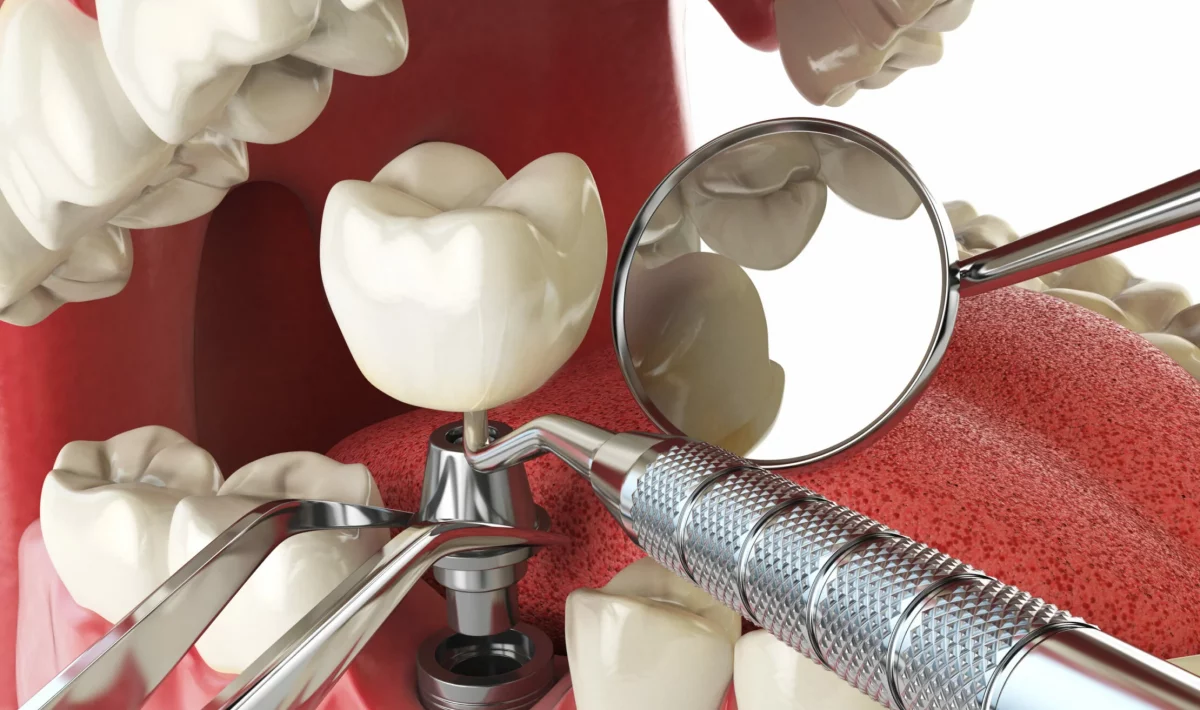
Dental implants Richmond are artificial tooth roots, typically made of titanium, that provide a foundation for fixed or removable replacement teeth. They integrate with the jawbone, mimicking the structure and function of natural teeth. Unlike dentures or bridges, implants offer a more permanent and reliable solution to tooth loss.

Why Choose Dental Implants?

  • Improved appearance and speech.
  • Enhanced comfort and ease of eating.
  • Durability and convenience.
  • Preservation of jawbone health.

Factors Affecting the Longevity of Dental Implants

Several factors influence the lifespan of dental implants. While implants are designed to last for many years, their durability can depend on individual care and certain biological factors. For a comprehensive understanding of how long dental implants typically last, patients must be aware of these pivotal elements.

Implant Quality and Surgical Expertise

The quality of the implant material and the expertise of the surgeon play a crucial role. High-quality implants and skilled surgical techniques can significantly enhance the success rate and longevity of the implants.

Oral Hygiene and Maintenance

Consistent oral hygiene is paramount. Regular brushing, flossing, and dental check-ups help prevent infections and maintain the health of the surrounding gum tissue, which is vital for implant longevity.

Lifestyle and Habits

Lifestyle choices, such as smoking and diet, can impact the lifespan of dental implants. Smoking, for instance, can impede healing and increase the risk of implant failure. Adopting healthy habits is essential for preserving implant integrity.

Scientific Insights on Dental Implant Longevity

Recent studies provide valuable insights into the long-term success of dental implants. Research indicates that with proper care, implants can last well over a decade, with many remaining in good condition for a lifetime. For further reading, consider exploring this study on implant longevity and its determining factors. Additionally, evidence suggests that implant success rates are high, especially when patients follow prescribed care routines.

Conclusion

In conclusion, dental implants offer a reliable and lasting solution for those seeking to restore their smile with the help of modern dentistry. By understanding the factors that contribute to their longevity, individuals in Richmond and beyond can make informed decisions about their dental health. With the right care and professional guidance, dental implants can be a lifelong investment, ensuring a confident smile and optimal oral health.