
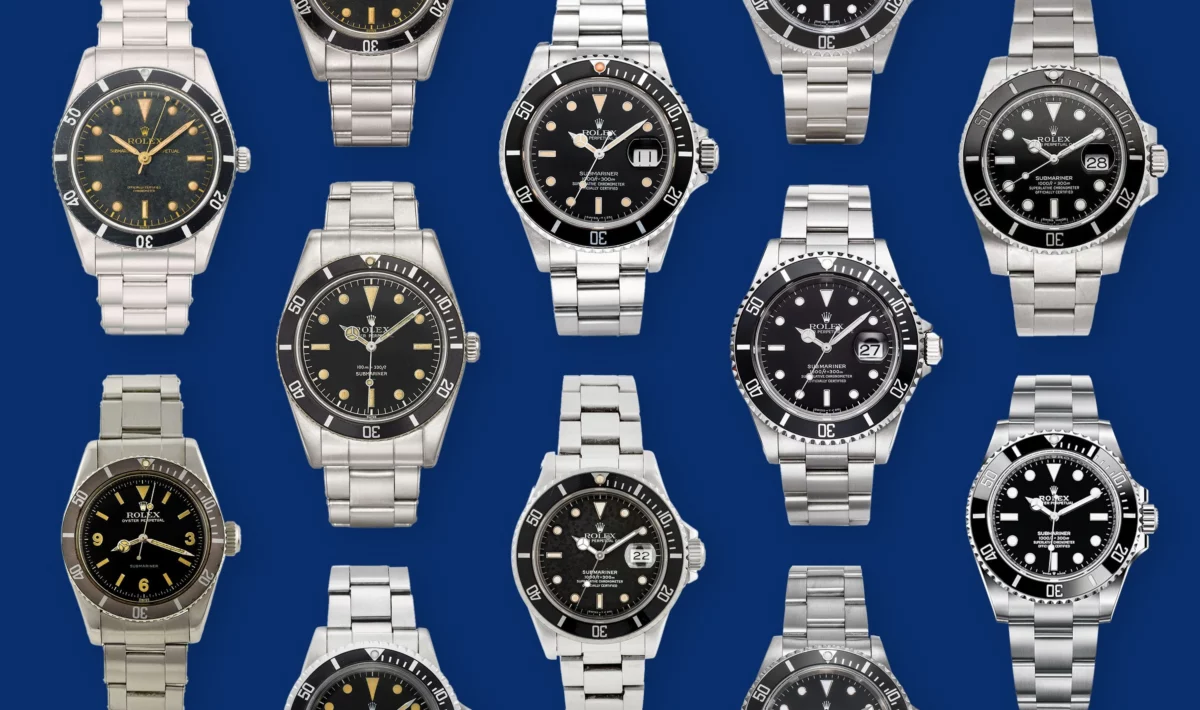
Spec sheets are easy. Craftsmanship is the thing that actually earns respect over the long haul. Comparing watches on paper is simple case size, crystal type, movement features, water resistance, all sitting there in neat rows. Then you handle two replica watches with nearly identical spec sheets side by side, and somehow one feels like a different tier entirely. Most enthusiasts run into this eventually.
Every Part Starts Somewhere
Long before a movement gets installed or a bracelet attached, dozens of individual parts have already gone through their own separate production runs. Cases get machined. Dials get printed. Hands get finished. Tiny movement components get made to tolerances that leave almost no room to be off.
How well those early stages go tends to decide how smoothly everything else comes together later.
Precision Is a Habit, Not an Event
Making one accurate watch proves you know what you’re doing. Making the same result hundreds or thousands of times over is a completely different problem that takes a manufacturing process that doesn’t wobble.
That’s really where quality control stops being about catching mistakes and starts being about not making them in the first place.
Manufacturers typically watch:
- Dimensions, checked at multiple points through production
- Surface finish, inspected for consistency
- Alignment, verified before final assembly
- Function, tested once everything’s put together
- Random samples pulled from finished batches
Every one of those checkpoints is another chance to catch something small before it turns into something that matters.
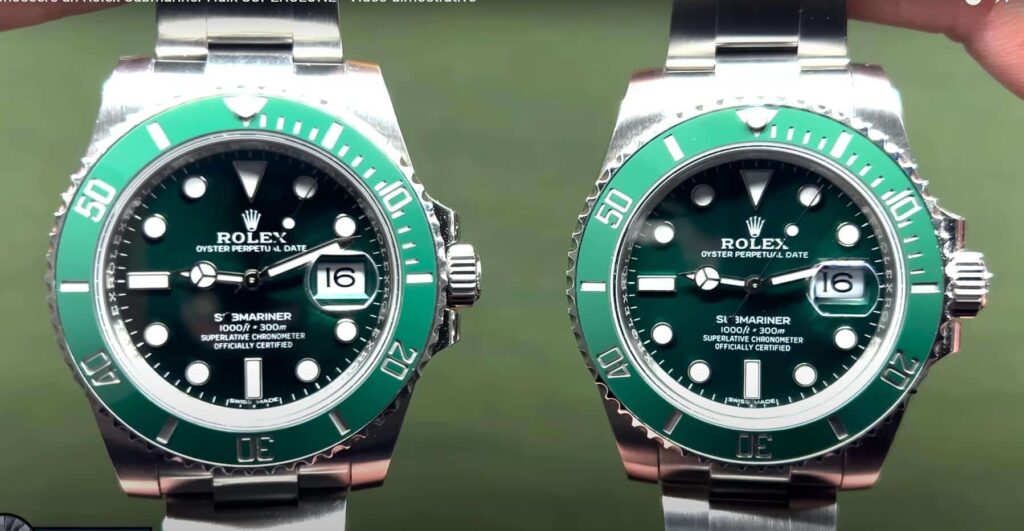
The Stuff People Feel But Don’t Name
Some quality differences don’t announce themselves. It might just be how a bracelet drapes on the wrist, or how the clasp closes without you thinking about it. Sometimes it’s the line where polished surface meets brushed clean, or not quite.
None of that ends up in a marketing photo. It shapes the actual first impression more than the spec sheet does, though.
Machines Handle Accuracy; People Handle Judgment
Automation carries a lot of the consistency load in modern manufacturing, but human inspection hasn’t gone anywhere.
Technicians still check surfaces under magnification, confirm alignment by eye, make sure moving parts move the way they’re supposed to. Some flaws are just easier to catch with a trained eye than with a measurement tool.
Technology hasn’t really replaced craftsmanship here it’s just moved where the craftsmanship shows up.
It’s Not Really About the Materials
Steel grades, sapphire crystal, ceramic bezels, fancy coatings these dominate the conversation, and fair enough, they matter for durability and looks.
But they’re only half the equation.
The replica watches built from modest materials but assembled with real care can beat one made from premium components thrown together carelessly. The balance of engineering, finishing, and inspection usually counts for more than any single line on the spec sheet.
Final Inspection Isn’t Optional
Quality checks don’t stop once assembly wraps up.
Manufacturers commonly test:
- Timekeeping across multiple positions
- Power reserve
- Crown and winding action
- Bezel alignment
- Bracelet fit and clasp security
- Water resistance under controlled pressure
This is where you confirm the parts still work together once the watch has become one object instead of a pile of components that happen to be assembled.
A Better Way to Think About Quality
Numbers are easy to compare they fit neatly into a table. Craftsmanship asks for a bit more patience.
The watches that leave the strongest impression are usually the ones where careful machining, thoughtful assembly, and steady inspection come together so well that none of it draws attention to itself. You just pick the thing up, and it feels balanced, dependable, well made no further explanation needed.