Understanding the Science Behind Orthodontic Retention
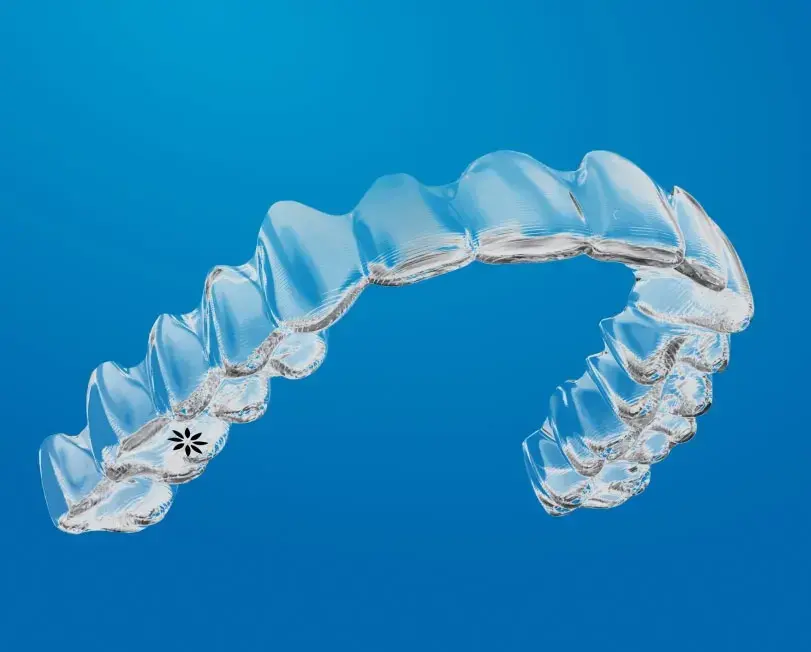
The journey towards a beautifully aligned smile doesn’t end when the final Invisalign Bournemouth aligner is removed. Whilst many patients celebrate the completion of their orthodontic treatment, the real challenge often lies in maintaining those hard-won results. Retention protocols represent the unsung heroes of orthodontic care, working tirelessly behind the scenes to ensure that teeth remain in their newly established positions for years to come.
Teeth possess a remarkable memory, constantly attempting to return to their original positions through a biological process known as relapse. This natural tendency stems from the elastic fibres in the periodontal ligament, which can take months or even years to fully adapt to new tooth positions. Without proper retention strategies, patients risk watching their investment in orthodontic treatment gradually diminish as teeth shift back towards their pre-treatment alignment.
The Role of Retention in Modern Orthodontic Practice
Contemporary orthodontic practice recognises retention as an integral component of comprehensive treatment planning rather than an afterthought. Patients who have completed treatment with Invisalign providers, for instance, will typically receive detailed retention instructions tailored to their specific clinical situation. These protocols are based on extensive research and clinical evidence that demonstrates the critical importance of long-term retention strategies.
The British Orthodontic Society’s clinical guidelines on retention emphasise that retention should be considered a lifelong commitment for optimal results. This guidance reflects the professional consensus that teeth can move at any age, making indefinite retention the gold standard for maintaining alignment outcomes.
Types of Retention Devices and Their Applications
Fixed Retainers
Fixed retainers consist of a thin wire bonded to the lingual surface of the anterior teeth, providing continuous retention without requiring patient compliance. These devices offer particular advantages for maintaining lower incisor alignment, where relapse tends to occur most frequently. The passive nature of fixed retainers means they work around the clock, preventing unwanted tooth movement whilst remaining virtually invisible to others.
Removable Retainers
Removable retainers, including vacuum-formed retainers and traditional Hawley appliances, offer flexibility and ease of maintenance. These devices allow patients to remove them for eating and cleaning, promoting better oral hygiene compared to fixed alternatives. However, their effectiveness depends entirely upon patient compliance with wearing schedules, making patient education essential for successful outcomes.
Factors Influencing Retention Success
The effectiveness of retention protocols depends upon numerous variables that extend beyond simply wearing a retainer. Age at treatment completion plays a significant role, with younger patients often requiring more vigilant retention due to ongoing growth and development. Additionally, the severity of the original malocclusion influences retention needs, as more complex cases typically demand more rigorous long-term management strategies.
Biological factors such as periodontal health, bone density, and individual healing responses all contribute to retention outcomes. Patients with a history of significant crowding or rotations face higher relapse risks, necessitating particularly conscientious adherence to retention protocols. Understanding these individual risk factors enables clinicians to develop personalised retention plans that address specific patient needs and circumstances.
Patient Compliance and Education
Research published in dental research journals examining retention outcomes consistently identifies patient compliance as the single most significant predictor of long-term success. Educating patients about the biological basis for retention requirements helps foster understanding and commitment to wearing schedules. When patients comprehend why retention matters, they become active participants in preserving their treatment results rather than passive recipients of instructions.
Effective communication between dental professionals and patients establishes realistic expectations from the outset. Clear explanations about wearing schedules, maintenance procedures, and the potential consequences of non-compliance empower patients to make informed decisions about their oral health. Regular follow-up appointments provide opportunities to monitor retention device condition, assess tooth stability, and reinforce the importance of continued compliance.
Protecting Your Investment in Orthodontic Treatment
Orthodontic treatment represents a significant investment of time, effort, and financial resources. Retention protocols serve as the insurance policy that protects this investment, ensuring that the beautiful smile achieved through months of treatment remains stable for decades to come. Professional guidance on orthodontic retention strategies for general dental practitioners underscores the collaborative approach needed between specialists and general dentists to maintain long-term results.
Patients considering Invisalign treatment or any orthodontic intervention should recognise that retention constitutes an essential phase of their journey towards optimal dental alignment. By embracing retention protocols with the same dedication applied during active treatment, patients can enjoy the lasting benefits of their transformed smiles well into the future, making the entire orthodontic experience truly worthwhile.